
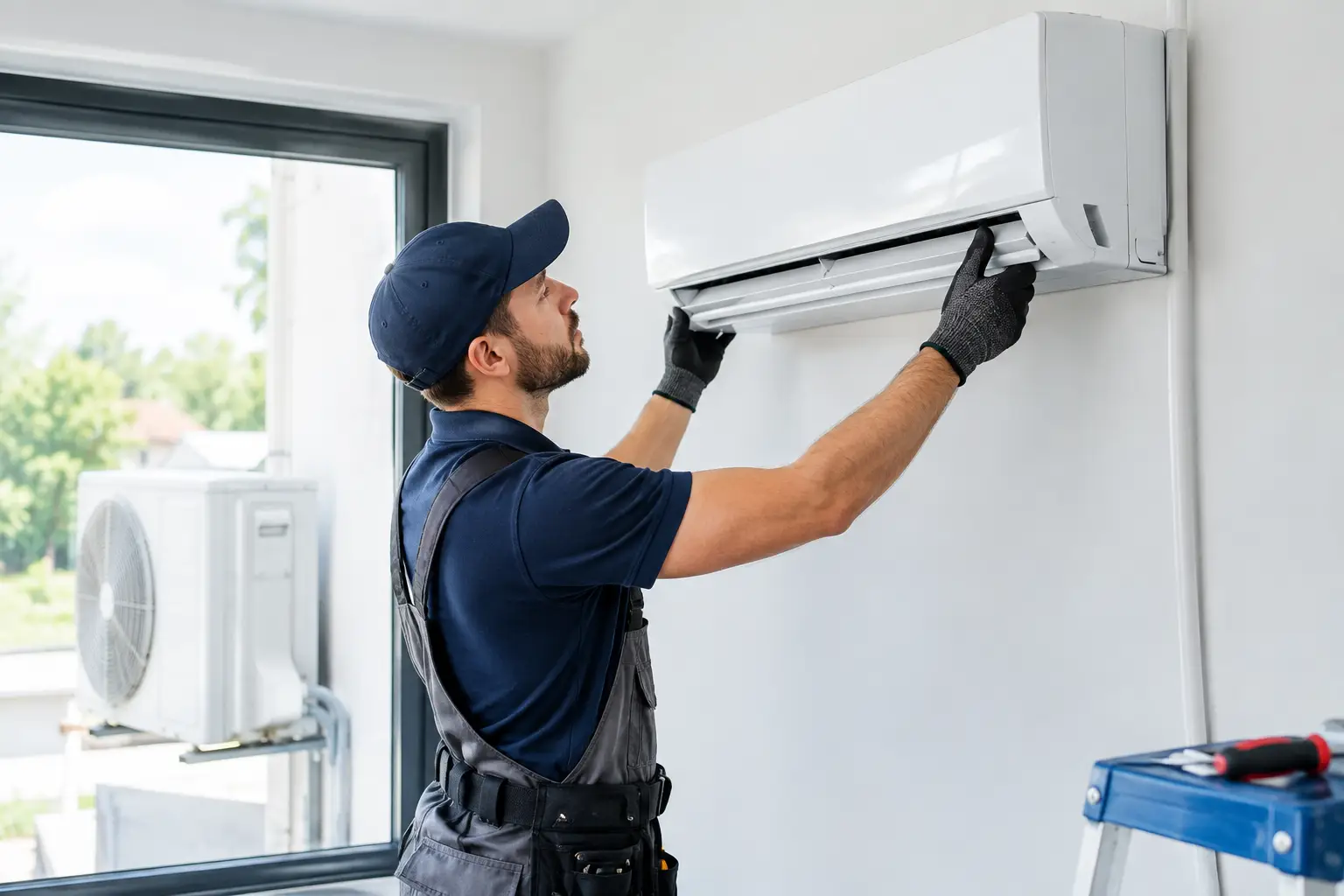
A ductless mini split can solve the room-by-room comfort problems that a central system cannot always reach. Maybe the upstairs bedroom stays hot, the new addition has no ductwork, or a garage, workshop, sunroom, or basement needs reliable heating and cooling. A professional ductless mini split installation gives that space its own comfort control without tearing into walls to add a full duct system.
For Central Kentucky and Kentuckiana homeowners, that flexibility matters. Our weather can turn from muggy summer heat to a sharp winter cold snap quickly. The right mini-split system can keep a hard-to-condition space comfortable through both seasons while using energy thoughtfully.
When a Ductless System Makes Sense
Ductless mini-splits are heat pump systems made up of an outdoor unit and one or more indoor air handlers. The indoor unit delivers conditioned air directly into the room, while small refrigerant lines connect it to the outdoor equipment. Because the connection passes through a small exterior opening rather than a large duct chase, installation is often less disruptive than expanding traditional ductwork.
They are especially useful in homes with additions, enclosed porches, converted garages, older houses without existing ducts, and rooms that never seem to match the thermostat setting. A single-zone system serves one area. A multi-zone system can connect several indoor units to one outdoor unit, allowing each room or zone to have its own temperature setting.
That does not mean ductless is automatically the best answer for every home. If your existing central system is undersized, poorly maintained, or suffering from duct leaks, the real fix may be repair, replacement, or duct improvements. A comfort evaluation should look at the whole house instead of treating every hot or cold room as a standalone problem.
Ductless Mini Split Installation Starts With Proper Sizing
The most important part of a ductless mini split installation happens before equipment arrives. A technician should assess the room’s square footage, ceiling height, insulation, window exposure, layout, and how the space is used. A sunny bonus room with west-facing glass has very different cooling needs than a shaded bedroom of the same size.
Bigger is not always better. An oversized unit can cool a room too quickly, then cycle on and off before removing enough humidity. That can leave the room feeling cool but clammy. An undersized unit may run constantly and still struggle during the hottest afternoons or coldest winter nights.
Kentucky homes also benefit from considering winter performance. Modern heat pumps can provide strong heat in cold weather, but equipment selection should reflect the local climate and the room’s heat loss. For a primary living space, your installer may discuss whether backup heat is needed and how the mini-split will work alongside the rest of your HVAC system.
Where the Indoor and Outdoor Units Go
Placement affects comfort, appearance, service access, and system performance. Indoor air handlers are commonly mounted high on an exterior wall, where they can distribute air across the room without blowing directly onto a bed, favorite chair, or dining table. Other options, including ceiling cassettes and floor-mounted units, may fit certain layouts better.
The outdoor condenser needs stable, level support and clear space for airflow. It should be placed where leaves, snow, landscaping, and household traffic will not block it. It also needs a location that allows future maintenance without making a technician work around tight obstacles.
The best spot is not simply the closest spot. Refrigerant line length, drainage, electrical requirements, exterior appearance, and local code all shape the final plan. A good installer talks through these choices before drilling or mounting anything, so there are no surprises after the work begins.
Drainage Deserves Attention
When a mini-split cools your home, it removes moisture from the air. That water collects as condensate and must drain safely away. Whenever possible, the drain line is routed with a continuous slope outdoors. If gravity drainage is not practical, a condensate pump may be needed.
Poor drainage can lead to drips, water damage, odors, or a system shutdown. It is a small detail with a big impact on dependable comfort, which is why correct installation matters.
What Happens on Installation Day
Most single-zone installations follow a clear sequence. The crew confirms the plan, protects the work area, mounts the indoor unit, sets the outdoor unit, and creates the wall opening for the insulated line set, wiring, and drain. They connect the refrigerant lines, complete the electrical work, and secure the outdoor equipment on an approved pad or bracket.
Next comes the work homeowners do not always see but should never skip. The lines must be pressure-tested for leaks and evacuated with a vacuum pump to remove air and moisture. Moisture left in a refrigerant system can harm performance and shorten component life. The technician then releases or adds the proper refrigerant charge as required by the manufacturer, starts the system, and checks heating, cooling, airflow, drainage, and controls.
A basic installation may be completed in a day, especially when access is straightforward and electrical capacity is already available. Multi-zone systems, difficult wall access, panel upgrades, or specialty mounting can add time. The goal is not to rush past critical steps. It is to restore your comfort quickly and do the job correctly the first time.
Electrical, Permits, and Professional Workmanship
A ductless system typically needs a dedicated electrical circuit and an outdoor disconnect. Depending on the equipment and your home’s electrical panel, installation may require upgrades. Permit requirements also vary by community, and proper permitting protects homeowners by helping ensure the work meets applicable safety standards.
Refrigerant handling is another reason this is professional work. HVAC technicians use specialized tools, follow manufacturer specifications, and are trained to work with the refrigerants used in modern equipment. A do-it-yourself shortcut can create leaks, electrical hazards, drainage problems, and warranty issues that cost far more than doing it right from the start.
Ask your contractor what is included in the estimate. A clear proposal should identify the equipment, number of indoor zones, mounting approach, electrical scope, condensate plan, labor, and any expected permit costs. If a price seems unusually low, make sure it includes the testing and commissioning that protect the system after installation day.
Comfort, Efficiency, and Ongoing Care
One of the biggest advantages of a mini-split is zoning. You can keep the guest room comfortable without conditioning it the same way as the family room, or set a home office to a different temperature than the rest of the house. That targeted control can reduce wasted energy, particularly in lightly used spaces.
Still, efficiency depends on habits and maintenance. Keep the indoor filters clean, leave room around the outdoor unit, and avoid constantly changing the temperature setting. A professional maintenance visit can check electrical connections, refrigerant performance, coils, drains, and overall operation before a small issue becomes a comfort emergency.
If your mini-split is part of a larger comfort plan, consider indoor air quality too. Filtration, humidity control, and proper ventilation can make a noticeable difference for families dealing with dust, allergies, pet dander, or sticky indoor air. Heating and cooling should feel good, but the air your family breathes matters just as much.
Choosing Help for Your Kentucky Home
The right contractor should ask questions about the room, inspect the home, explain your options in plain language, and give you a realistic timeline. They should also be ready to discuss affordability, financing options, and what service will look like after the installation is complete.
Instant Aire Heating & Cooling has been casting comfort for Central Kentucky and Kentuckiana homeowners since 2007. Whether you need a single troublesome room fixed or a multi-zone solution planned for a growing household, a properly designed system can bring reliable heating and cooling to the spaces where your family actually lives.
If one room is making the rest of your home harder to enjoy, do not settle for fans in July and space heaters in January. A careful evaluation can show whether ductless comfort is the practical, efficient answer for your home.