
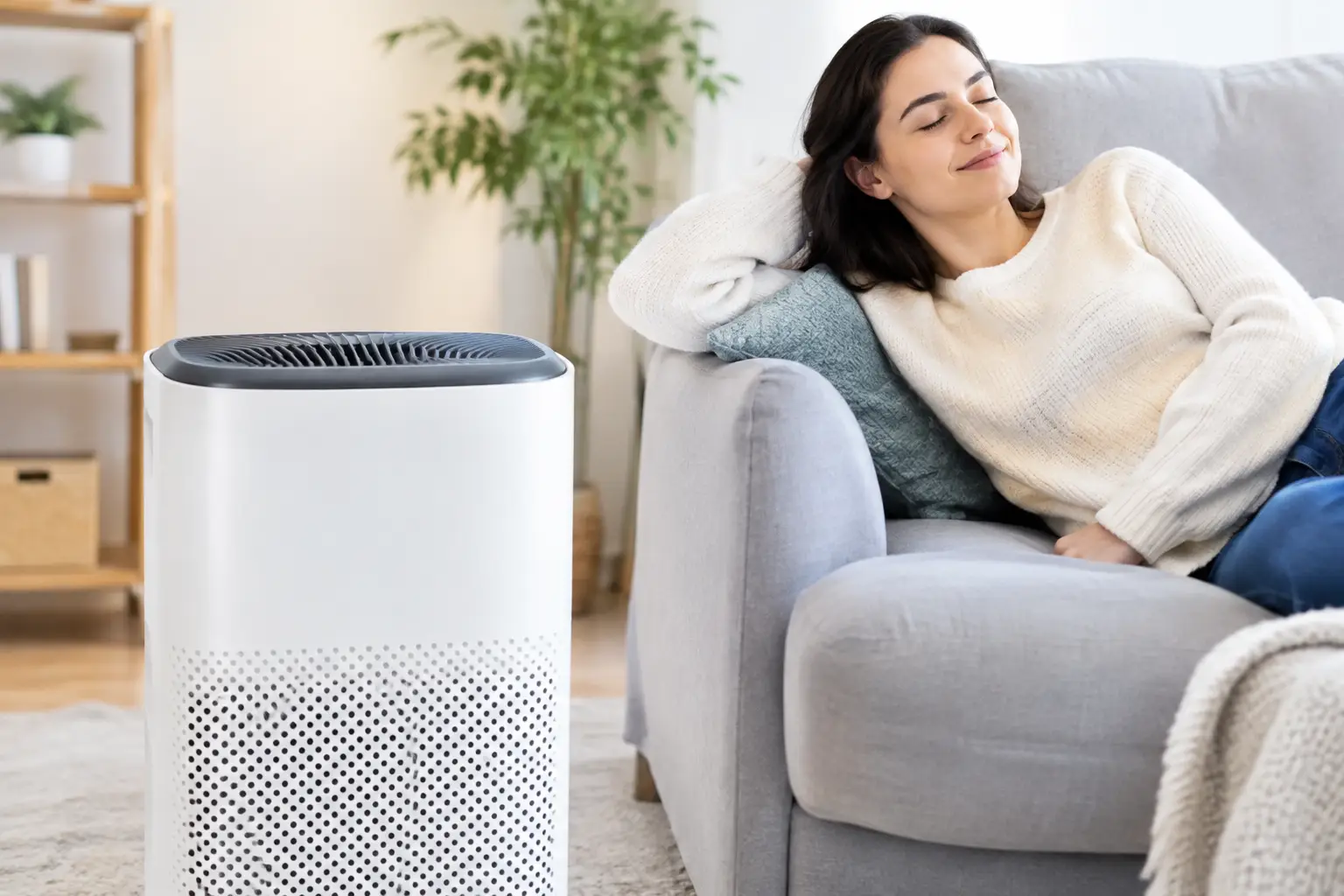
If spring pollen makes your eyes itch inside your own house, or you wake up congested even with the windows closed, your HVAC filter deserves a closer look. The best air filter for allergies is not automatically the thickest or most expensive one. It is the filter that captures the particles bothering your family without restricting your system’s airflow.
For many Central Kentucky households, that means choosing the right MERV-rated filter, changing it on time, and making sure the equipment can handle it. A better filter can reduce airborne pollen, pet dander, dust, and mold spores. But the wrong filter can make a furnace or air conditioner work harder than it should.
What Makes an Air Filter Good for Allergies?
Allergies are triggered by tiny airborne particles, not just the visible dust that collects on furniture. Pollen can drift indoors every time a door opens. Pet dander is lightweight and easily stirred up. Dust mites thrive in household dust, while mold spores can move through the air when humidity is high.
An HVAC filter’s job is to trap a portion of those particles before they circulate through the return air and back into your rooms. Its effectiveness is commonly measured by MERV, short for Minimum Efficiency Reporting Value. Higher MERV ratings capture smaller particles, but they also tend to create more resistance to airflow.
That trade-off matters. Your heating and cooling system needs steady airflow to keep your home comfortable and to avoid unnecessary strain on the blower motor, evaporator coil, and other components. A filter should help your family breathe easier without creating a new HVAC problem.
The Best Air Filter for Allergies Is Usually MERV 11 or 13
For most homes with allergy concerns, a quality pleated MERV 11 filter is a strong starting point. It captures a meaningful amount of pollen, dust, pet dander, and other common airborne irritants while remaining compatible with many residential HVAC systems.
A MERV 13 filter offers finer filtration and can catch smaller particles than a MERV 11. For households with severe seasonal allergies, multiple pets, asthma concerns, or frequent dust problems, it may be the better choice. However, MERV 13 is not a universal upgrade. Some older systems, systems with undersized return ducts, or equipment already struggling with airflow may not be designed for it.
A technician can check static pressure and confirm what your furnace or air handler can safely support. That small step is especially worthwhile before moving to a high-efficiency filter. Comfort should not come at the cost of frozen coils in summer, overheating in winter, or higher utility bills.
Why Fiberglass Filters Fall Short
The inexpensive, flat fiberglass filters found in many homes are mainly intended to protect HVAC equipment from large debris. They do not do much for allergy particles. They may catch lint and larger dust, but their low filtration efficiency allows plenty of pollen and dander to continue circulating.
For a household where allergies are a real concern, a pleated filter is usually the better everyday option. The larger surface area helps it capture more particles than a basic fiberglass filter, and it generally provides better protection for both your indoor air and your equipment.
Is a HEPA Filter Better?
True HEPA filters are highly effective at capturing very small particles. The catch is that most standard residential HVAC systems cannot use a typical HEPA filter in the regular filter slot. HEPA media is dense, and that density can restrict airflow too much unless the system is specifically designed for it.
That does not mean HEPA has no place in an allergy-conscious home. A portable HEPA air cleaner can work well in bedrooms, nurseries, or other rooms where someone spends many hours. Whole-home HEPA-style filtration may also be possible with specialized equipment and proper installation.
The key is not forcing a HEPA filter into an HVAC cabinet that was never designed for it. A MERV 11 or compatible MERV 13 filter paired with a room air cleaner is often a smarter, more balanced solution.
Choose the Right Filter Size and Fit
Even an excellent filter cannot do its job if it is the wrong size or poorly installed. Check the dimensions printed on the frame of your current filter, but remember that the actual size can be slightly smaller than the labeled size. A filter labeled 16 x 25 x 1, for example, may measure a little under those dimensions.
Use the size recommended by your system, and install it with the airflow arrow pointing toward the furnace or air handler. That arrow should point in the direction air travels through the return duct, not toward the living space.
Do not bend, trim, or squeeze a filter into place. Gaps around the frame allow unfiltered air to bypass the media, carrying dust and allergens right past the filter. If your filter slot is hard to access or the filter never seems to fit correctly, it is worth having it inspected.
Change Filters Before They Become Part of the Problem
A clogged filter can make allergy symptoms and HVAC performance worse. As dust, dander, and pollen accumulate, the filter becomes more restrictive. Airflow drops, rooms may heat or cool unevenly, and the system has to run longer to do its job.
There is no single replacement schedule that works for every home. A one-inch pleated filter often needs attention every one to three months. Homes with pets, smokers, several occupants, active construction nearby, or heavy allergy seasons may need more frequent changes. Thicker media filters may last longer, but they still need regular checks.
A simple habit helps: inspect your filter monthly during the busiest heating and cooling months. If it looks gray, loaded with debris, or noticeably dirty, replace it. Waiting until a filter is completely dark and packed with dust is waiting too long.
Filtration Helps, But Allergens Need a Whole-Home Plan
A better HVAC filter makes a difference, but it cannot remove every allergy trigger from your home. Pollen enters on shoes, clothes, and pets. Dust settles in carpets, upholstery, and bedding. Humidity can encourage mold growth and dust mites.
For better results, keep windows closed on high-pollen days and vacuum regularly with a sealed, high-efficiency vacuum. Wash bedding in hot water, groom pets as appropriate, and use exhaust fans in bathrooms and kitchens. If your home feels damp or musty, humidity control is especially important. Keeping indoor humidity in a moderate range makes the air more comfortable and makes it harder for mold and dust mites to thrive.
Ductwork also deserves attention when there is visible debris, a persistent musty odor, recent remodeling dust, or signs of contamination. Duct cleaning is not an automatic cure for allergies, but in the right situation, it can remove buildup that keeps getting stirred into the airstream.
When to Ask an HVAC Professional
If you are replacing filters often but your home still feels dusty, stuffy, or unevenly comfortable, the issue may be bigger than the filter. Leaky return ducts can pull dusty air from attics, crawl spaces, or wall cavities. An oversized filter restriction, dirty coil, weak blower, or poor return-air design can also affect air quality and system performance.
A professional can evaluate airflow, inspect the filter cabinet, check duct conditions, and recommend a filtration level that fits your equipment. Instant Aire helps homeowners across Central Kentucky and Kentuckiana sort through these options without turning a simple comfort improvement into an expensive guess.
The right filter is one practical way to give your family a little relief when allergy season hits hard. Start with a properly fitted pleated MERV 11 filter, consider MERV 13 only when your system can support it, and keep it changed before dust has a chance to take over your comfort.