
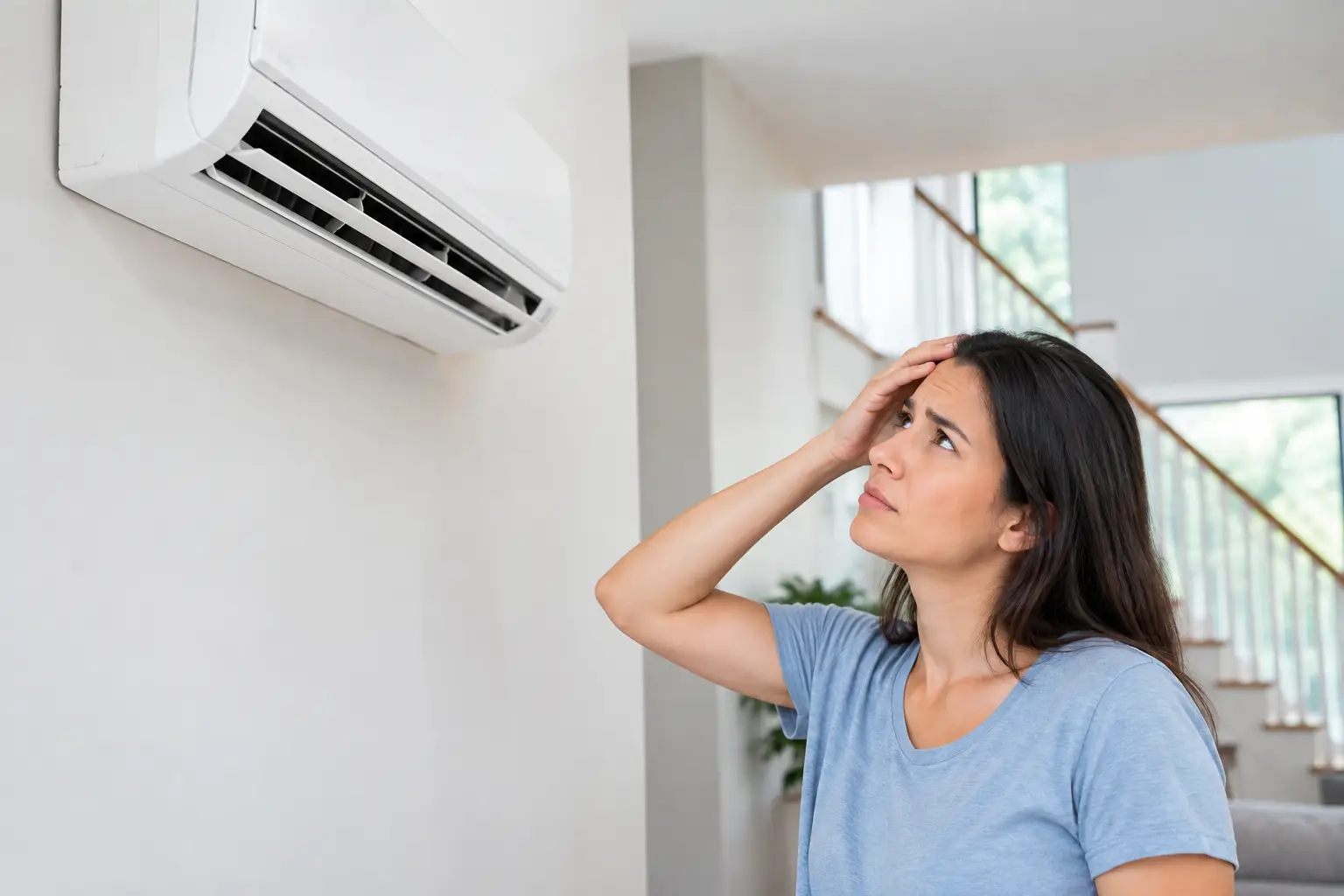
The downstairs feels fine, but bedtime upstairs turns into a battle with sticky sheets, restless kids, and a thermostat that never seems to catch up. If your AC not cooling upstairs is a regular summer problem, you are not alone. Two-story homes across Central Kentucky often struggle with uneven temperatures, especially during humid stretches when the system has to remove heat and moisture at the same time.
A warmer second floor does not automatically mean your air conditioner has failed. Heat rises, upper rooms absorb attic heat, and airflow takes the path of least resistance. Still, a large gap between floors is worth addressing. A few simple adjustments may help, but some causes need a trained HVAC technician before they turn into a breakdown.
AC Not Cooling Upstairs? Start With These Checks
Before assuming the unit needs replacement, check the basics that can restrict airflow or send cooled air where you do not need it.
First, set the thermostat fan to Auto, not On. In the On setting, the blower runs between cooling cycles and can push warm air from ductwork back into the home. Auto allows the fan to run only while the AC is actively cooling.
Next, look at your air filter. A clogged filter limits the air moving through the system, and upstairs rooms are often the first to feel the difference. Replace a dirty filter with the correct size and type. If you use a highly restrictive filter, ask an HVAC professional whether it is appropriate for your system. Better filtration is valuable for indoor air quality, but the filter must still allow healthy airflow.
Walk through the upstairs rooms and make sure supply vents are fully open and not blocked by furniture, rugs, curtains, or storage. Then check the return vents, which pull indoor air back to the system. A blocked return can make an upstairs area feel stuffy even when cold air is coming from the supply registers.
If your home has a single thermostat downstairs, try lowering it by one or two degrees during the hottest part of the day. This is not the best long-term answer, but it can help you determine whether the issue is mainly related to how long the system runs. Do not close most of the downstairs vents in an effort to force air upstairs. Closing too many vents can increase static pressure, strain equipment, and create new comfort problems.
Why the Upstairs Gets Hotter
The second floor naturally carries a heavier heat load. Warm air rises, but that is only part of the story. Sun exposure, attic conditions, duct layout, insulation, and system design all play a role.
Attic heat and weak insulation
Your attic can reach extreme temperatures on a sunny Kentucky afternoon. If insulation is thin, uneven, or compressed, that heat transfers through the ceiling and into bedrooms below. Air leaks around attic hatches, recessed lights, plumbing penetrations, and wiring openings can make the situation worse.
A good HVAC repair will not fix an attic insulation problem by itself. Likewise, adding insulation will not correct a failing air conditioner. The right solution depends on where the heat is entering and whether the system can deliver enough conditioned air upstairs.
Leaky, disconnected, or poorly balanced ducts
Many upstairs ducts run through attics, crawlspaces, or wall cavities. A loose connection, crushed flexible duct, damaged insulation, or leak can leave cooled air outside the rooms where your family needs it. Leaks also pull dusty, hot attic air into the duct system.
Duct balancing can help when the system is producing enough cool air but delivering too much of it downstairs. A technician may adjust dampers, inspect airflow, and identify restrictions that are not visible from the vents. This is more precise than guessing which registers to close.
A dirty coil or weak blower
Your indoor evaporator coil absorbs heat from the air, while the outdoor coil releases that heat outside. Dirt on either coil makes the system work harder and cool less effectively. A weak blower motor, failing capacitor, or damaged blower wheel can also reduce the volume of air reaching distant upstairs rooms.
These issues can affect the whole house, but the upstairs often exposes the problem first. If air barely comes from upper vents, or one floor is much warmer than the other, airflow testing is more useful than simply turning the thermostat lower.
Refrigerant or compressor trouble
Low refrigerant, a refrigerant leak, or a struggling compressor can prevent the system from removing enough heat. Warning signs include lukewarm supply air, ice on the refrigerant line or indoor equipment, hissing sounds, frequent cycling, or a system that runs almost constantly without bringing temperatures down.
Do not keep operating an iced-over system in hopes that it will push through. Turn cooling off, set the fan to Auto, and call for service. Ice can point to low airflow, low refrigerant, or both, and continued operation can damage major components.
An undersized or aging system
If the upstairs has always been uncomfortable, the original system may not have been sized or designed for the home correctly. Bigger is not always better. An oversized AC may cool the thermostat area quickly, shut off too soon, and leave humidity high upstairs. An undersized system may run for long periods and still fall behind during peak heat.
A proper replacement recommendation should account for the home’s square footage, insulation, windows, orientation, ductwork, occupancy, and humidity needs. Choosing equipment by square footage alone can lead to another expensive comfort problem.
When a Thermostat Upgrade Can Help
A single thermostat downstairs cannot feel what is happening in an upstairs bedroom. That is why some homes benefit from a smart thermostat with remote sensors. A sensor can prioritize the temperature in a frequently used upstairs room at night, helping the system run based on where your family actually is.
This option works best when the existing system has reasonably good airflow and capacity. It cannot repair a leaking duct, failed blower, or inadequate insulation. Think of it as better control, not a cure-all.
For homes with persistent floor-to-floor differences, zoning may be worth considering. A zoned system uses separate controls and dampers to direct conditioned air to different areas of the home. Zoning can be highly effective, but it must be designed for the equipment and ductwork. In some cases, a ductless mini-split for a finished attic, bonus room, or upper-floor addition is the more practical and affordable answer.
What You Can Do to Keep Upstairs Rooms Cooler
Daily habits can reduce the strain on your AC while you arrange a repair or explore a longer-term solution. Keep blinds or curtains closed on sun-facing upstairs windows during the afternoon. Use ceiling fans counterclockwise in summer to create a cooling breeze, but remember that fans cool people, not empty rooms.
Avoid adding heat upstairs when possible. Running dryers, ovens, and other heat-producing appliances during the hottest hours can make a difficult second floor even harder to cool. If your thermostat has a schedule, start cooling before the upstairs becomes overheated instead of waiting until late afternoon.
Most importantly, stay consistent with maintenance. A clean filter, clear outdoor unit, properly functioning drain, clean coils, and verified refrigerant charge help the system deliver the comfort it was designed to provide. Preventive service is especially valuable before Central Kentucky’s summer heat and humidity settle in.
When to Call for AC Repair
Call for professional help if the upstairs is more than a few degrees warmer than the main floor, airflow from vents is weak, the AC runs constantly, or you see ice or water around indoor equipment. You should also schedule service if a room that used to be comfortable suddenly becomes hot. That change often points to a developing mechanical or ductwork issue.
For homeowners in Elizabethtown, Greensburg, Campbellsville, Shepherdsville, Radcliff, Mount Washington, Glasgow, Louisville, and near Fort Knox, Instant Aire can inspect the full comfort picture: equipment performance, airflow, duct condition, humidity, and practical options for restoring balance. A quick diagnosis can separate a simple filter or drain issue from a repair that needs immediate attention.
Your upstairs should feel like part of your home, not a room everyone avoids until sunset. Getting the airflow and cooling right now can make tonight’s sleep more comfortable and help protect your system through the rest of the season.