
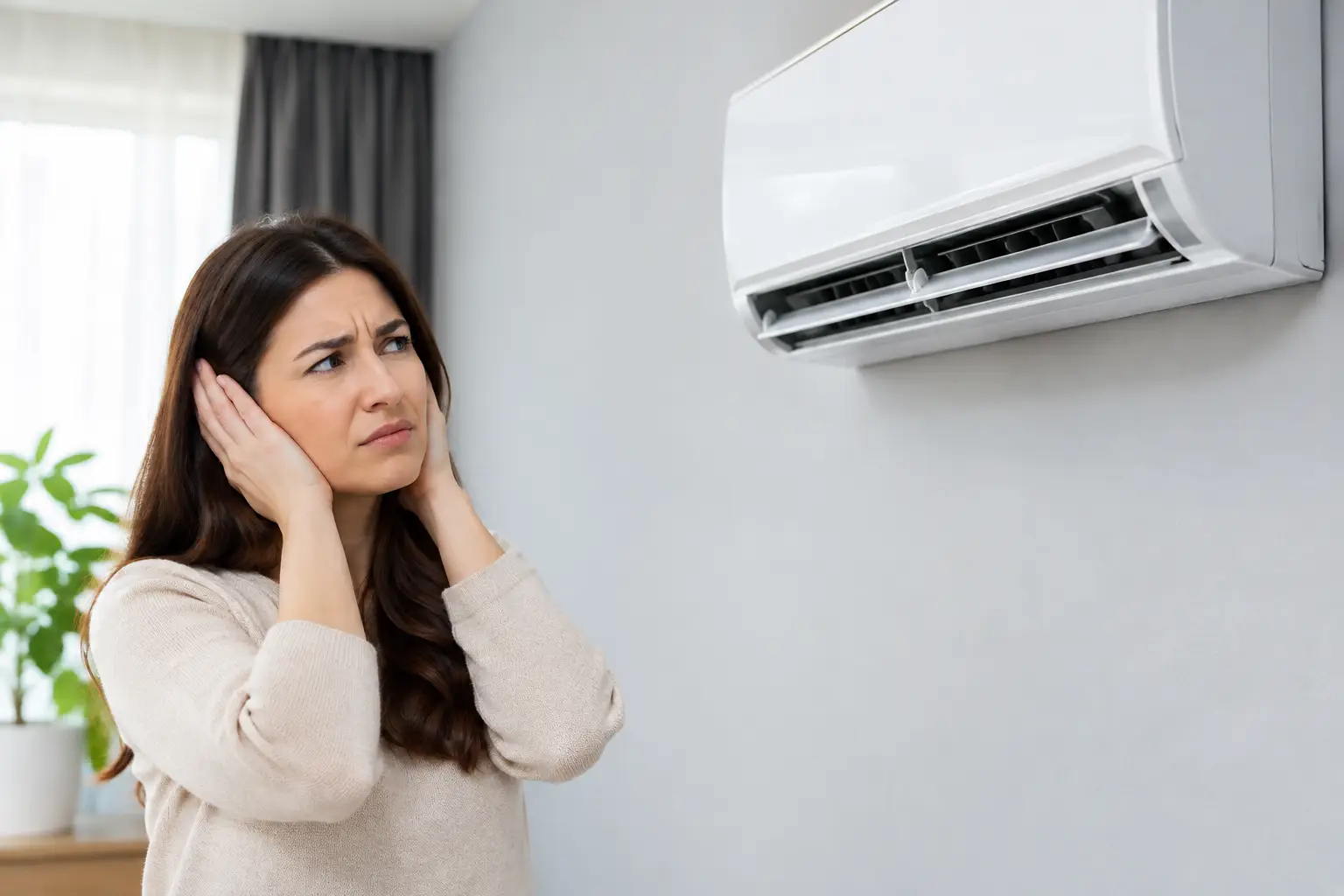
That bang, squeal, or grinding sound from the outdoor unit is more than an annoyance when Kentucky heat is pushing your AC to work hard. An air conditioner making loud noises may be dealing with anything from a loose panel to a failing compressor. Some sounds have a simple fix. Others can turn a repairable problem into a much bigger one if the system keeps running.
The best first move is to notice when the noise happens, where it comes from, and whether your home is still cooling normally. Then, if the sound is severe or unfamiliar, turn the system off and have a qualified technician inspect it. Your family deserves cool, dependable comfort – not a noisy system working itself toward a breakdown.
What Kind of Noise Is Your Air Conditioner Making?
Different AC sounds point to different parts of the system. The indoor air handler, outdoor condenser, ductwork, thermostat, and electrical components all make some normal operating noise. A gentle airflow sound, a quiet hum, and a click as the system starts or stops are usually expected.
Loud, sudden, repeated, or harsh noises are different. They deserve attention, especially if they come with weak airflow, warm air, frequent cycling, water around the equipment, or a higher-than-usual energy bill.
Banging or Clanking
Banging often means a component has come loose. Inside the outdoor condenser, the fan blade, motor mount, compressor parts, or a loose piece of hardware could be striking another surface. A clanking sound may also come from damaged or shifting ductwork as conditioned air moves through it.
Do not try to reach into an outdoor unit or tighten internal parts yourself. The unit contains electrical components, sharp metal edges, and moving fan blades. Turn the thermostat to Off if the noise is strong, then schedule a professional inspection before continued use causes more damage.
Screeching or Squealing
A high-pitched screech can point to a failing blower motor, condenser fan motor, worn bearings, or a belt issue in certain older systems. Modern residential equipment often uses direct-drive motors, so not every squeal is a belt. That is why guessing can lead homeowners in the wrong direction.
If the sound starts every time the AC runs, act quickly. A motor that is struggling can overheat and fail, leaving your home without cooling when you need it most.
Grinding or Metal-on-Metal Sounds
Grinding is one of the noises that should not wait. It can signal worn motor bearings, a damaged fan motor, or a serious issue in the compressor. The compressor is the heart of the outdoor system, and replacing it can be expensive depending on the unit’s age, condition, and warranty status.
Shut the AC down if you hear grinding. Continuing to run it may increase the damage and strain other electrical components.
Buzzing or Humming
A brief low hum is normal, but a loud or persistent buzz may indicate a loose electrical connection, failing capacitor, contactor problem, vibration, or debris around the outdoor unit. Sometimes a buzzing sound comes from a refrigerant-related issue, but only a licensed HVAC professional should diagnose or handle refrigerant.
Electrical concerns are not a DIY project. If you smell something burning, see smoke, or notice the breaker trips repeatedly, turn the system off at the thermostat and breaker if it is safe to do so. Call for urgent service.
Rattling, Vibrating, or Shaking
Rattling is often less serious at first. A loose access panel, unsecured screw, debris near the condenser, or an uneven pad can make an AC unit sound much louder than it should. A dirty filter can also restrict airflow and contribute to strain and unusual operation.
Homeowners can safely check a few basics: make sure the thermostat is set correctly, replace a visibly dirty filter with the proper size, and clear leaves, grass clippings, and loose items from around the outdoor unit. Keep at least a couple of feet of open space around it. If the rattling continues, a technician can find and secure the source.
Hissing or Bubbling
A short hiss when refrigerant moves through the system can be normal. Persistent hissing, bubbling, or gurgling is not something to ignore. It may suggest a refrigerant leak or pressure problem.
Low refrigerant does not just mean your home may feel warmer. It can reduce efficiency, increase wear on the compressor, and create moisture-control problems indoors. If the air feels less cool and the system starts making a hissing sound, arrange service rather than simply lowering the thermostat.
When an Air Conditioner Making Loud Noises Needs Immediate Service
Some situations call for a same-day repair visit instead of waiting to see whether the sound goes away. Turn the system off and call if you hear grinding, loud banging, electrical buzzing, or a screech that does not stop. The same goes for burning odors, smoke, leaking water near electrical equipment, ice on refrigerant lines, or a unit that is no longer cooling.
It also matters how old the system is. An older AC may have a repairable fan motor or capacitor issue, but it may also be nearing a point where repeated major repairs no longer make financial sense. A trustworthy technician should explain the condition of the equipment, the repair needed, and the practical options without pushing a replacement that does not fit your home or budget.
For military families, busy parents, and homeowners managing a full household, a noisy AC can quickly become more than a maintenance task. It can affect sleep, indoor humidity, and everyone’s comfort. Fast diagnosis helps protect the equipment and gets the house back to feeling normal.
What You Can Check Before the Technician Arrives
A little information can help speed up the diagnosis. Note whether the noise comes from the indoor unit, the outdoor unit, or the vents. Pay attention to whether it starts at startup, runs continuously, or happens when the system shuts down. If you can do so safely, record a short video from a distance for the technician.
Avoid opening electrical panels, removing condenser covers, adding refrigerant, or repeatedly restarting a system that is making harsh noises. Restarting an AC after it trips a breaker can be particularly risky. A breaker is doing its job by responding to an electrical problem, and repeated resets can make the situation worse.
Check the filter, too. A clogged filter will not usually create a loud bang or grind by itself, but restricted airflow can contribute to frozen coils, strain the blower, and make a small issue harder on the whole system. Replace filters regularly according to the filter type, household conditions, and manufacturer guidance.
Preventing Noisy AC Problems
Not every loud AC problem can be prevented, but regular maintenance catches many issues before they become urgent. During a professional tune-up, a technician can inspect electrical connections, test capacitors, check motors and moving parts, clean components, assess airflow, and look for early signs of wear.
Maintenance is especially valuable before Central Kentucky’s hottest stretch arrives. Your system does not have to be completely broken to benefit from service. Catching a loose part, weak motor, dirty coil, or vibration issue early can help avoid an unexpected loss of cooling later.
Keep the outdoor area tidy, change filters on schedule, and pay attention when your system sounds different than usual. Air conditioners do not need to run silently, but they should not sound like they are fighting to keep up.
If the noise is loud, new, or getting worse, give Instant Aire Heating & Cooling a call. A prompt, correct repair can protect your equipment, your budget, and the cool, comfortable home your family counts on.