
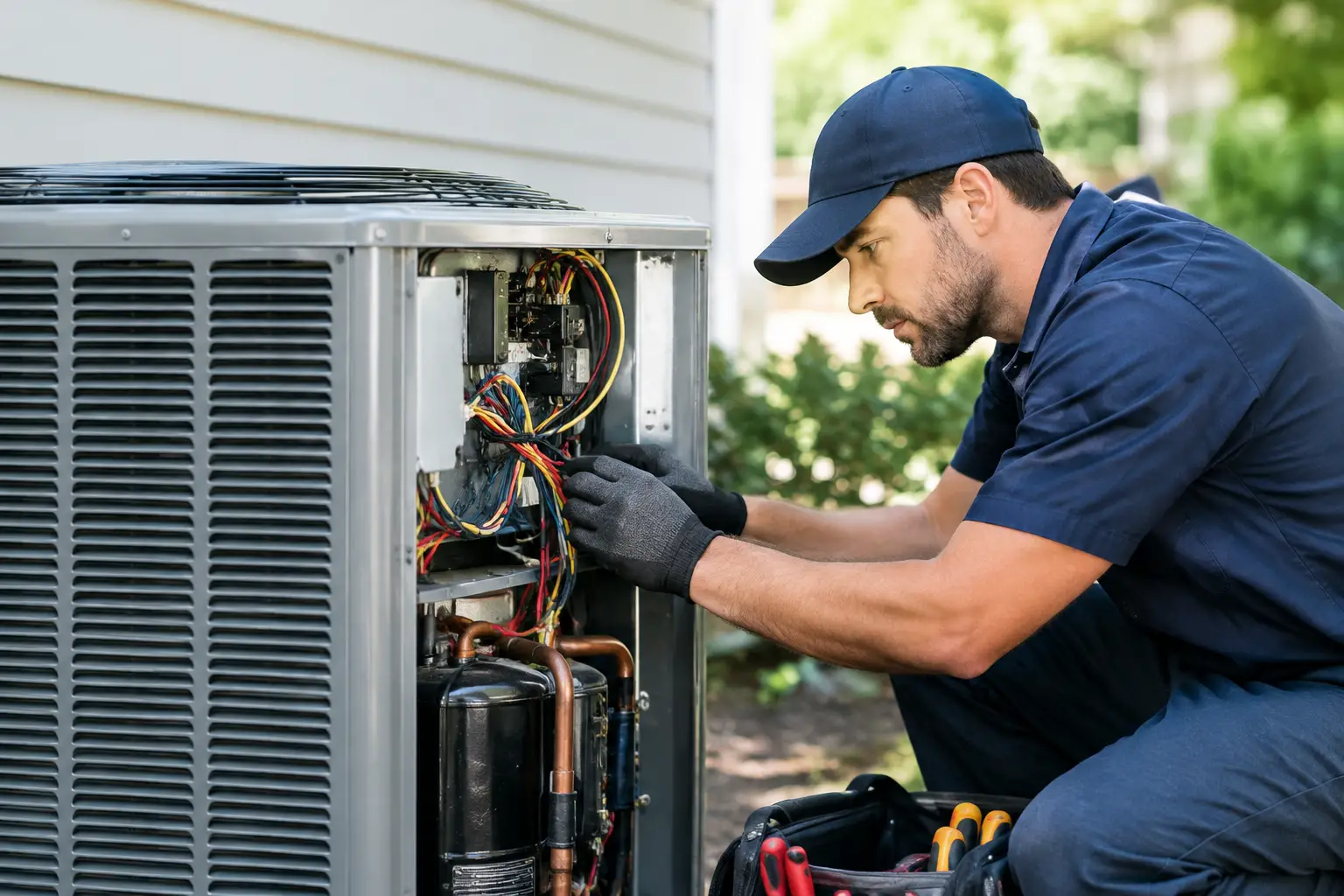
A dead furnace on a freezing Kentucky night is more than an inconvenience. So is an air conditioner that quits during a humid summer afternoon when children, older family members, or pets are inside. An emergency HVAC repair service gives homeowners a fast path back to safe, dependable comfort when waiting for a standard appointment is not the right call.
The key is knowing the difference between an urgent system failure and a problem that can safely wait until regular service hours. Acting quickly for the right issue can protect your family, prevent further equipment damage, and help avoid a much bigger repair bill.
What Counts as an HVAC Emergency?
An HVAC emergency is usually a situation that affects safety, creates a risk of property damage, or leaves your home without essential heating or cooling during extreme weather. It is not about whether a system is making a small noise or needs a routine tune-up. It is about whether the problem can put people, your home, or your equipment at risk if it is left alone.
No heat during freezing temperatures is one of the clearest examples. Cold indoor conditions can be especially serious for infants, seniors, people with health concerns, and military families returning to a home that has been vacant. Prolonged cold can also put plumbing at risk of frozen or burst pipes.
No cooling can be urgent, too. Central Kentucky summers bring heat and humidity that can make indoor spaces uncomfortable fast. When the house is getting dangerously warm, especially for vulnerable family members or pets, a prompt repair is the sensible move.
There are also problems that need immediate attention even when the temperature inside is still manageable. Call for help if you smell gas, notice burning odors, see smoke, hear loud banging or screeching, find water leaking around the system, or see a carbon monoxide alarm activate. These are not issues to troubleshoot by taking the equipment apart yourself.
When to Call an Emergency HVAC Repair Service
If you are unsure whether to call, start with the impact on safety and comfort. A furnace that runs but does not heat, a heat pump locked in a malfunction cycle, or an AC system blowing warm air during severe weather may warrant urgent service. The same is true when a system trips breakers repeatedly or a water leak is spreading near electrical components.
A few common emergency situations include:
- A furnace or heat pump will not produce heat during cold weather.
- An air conditioner stops cooling during extreme heat or high indoor humidity.
- You smell natural gas, burning wiring, or unusual chemical odors.
- A carbon monoxide detector alarms or household members feel dizzy, nauseated, or unusually tired near a fuel-burning appliance.
- Water is leaking from an indoor unit, ceiling, or drain line and may damage flooring, walls, or electrical equipment.
- The HVAC system is making violent noises, producing smoke, or repeatedly shutting down.
Not every issue requires an after-hours visit. A weak airflow problem in mild weather, a noisy vent, or an AC system that is cooling but not quite keeping up can often be scheduled for the next available appointment. Still, small symptoms can become bigger failures. If you are uncertain, calling for guidance is always better than guessing.
What to Do Before the Technician Arrives
Your first job is to keep everyone safe. If you smell gas, leave the home immediately, avoid switches, flames, and electronics, and contact your gas provider or emergency services from a safe location. If a carbon monoxide alarm sounds, get everyone outside into fresh air and seek emergency assistance. Do not reenter until authorities say it is safe.
For smoke, burning smells, or electrical sparking, turn the system off at the thermostat if it is safe to do so. If you can safely reach the breaker panel and identify the HVAC breaker, switch it off. Do not keep resetting a breaker that trips. Repeated tripping is a warning that the equipment needs professional diagnosis.
If you have water around the furnace, air handler, or indoor AC equipment, turn off the system. Move rugs, boxes, and valuables away from the affected area if you can do it safely. A clogged condensate drain can sometimes be the culprit, but water can also come from a frozen coil, damaged drain pan, plumbing issue, or other problem that needs a trained eye.
For a complete shutdown with no odors, smoke, or leaks, check the thermostat settings before you call. Make sure it is set to heat or cool, not just fan mode, and confirm the temperature setting is where you expect it to be. Check the breaker once and look at the air filter. A severely clogged filter can restrict airflow and contribute to system trouble. Do not force a unit to run if it is making alarming noises or has already shut down several times.
These quick checks can save time, but they are not a substitute for repair. HVAC equipment combines electricity, moving parts, refrigerant, combustion components, and drainage systems. The safest repair is the one that identifies the actual cause instead of treating the symptom.
Why Fast Repairs Protect More Than Comfort
A quick response does more than get the temperature back where it belongs. It can help limit damage to the system. For example, running an air conditioner with low refrigerant or a frozen coil can strain the compressor. Ignoring a furnace that short-cycles can create added wear and leave your home without heat when you need it most.
Emergency service also protects the home itself. A leaking unit can damage drywall, insulation, wood flooring, and personal belongings. A heating failure in a vacant home can become a plumbing emergency. In some cases, the best repair decision is not just about restoring operation. It is about stopping a manageable problem from becoming a costly one.
That said, repair versus replacement depends on the equipment’s age, the failed part, its maintenance history, and the cost of restoring it correctly. A newer system with a failed capacitor, igniter, blower motor, or drain issue may be a straightforward repair. An older system with major compressor, heat exchanger, or refrigerant problems may call for a more careful conversation about replacement options. A trustworthy technician should explain the trade-offs clearly, not rush you into a decision.
What a Good Emergency Visit Should Look Like
When your home comfort is on the line, you deserve more than a quick patch. A qualified technician should listen to what happened, inspect the equipment and safety controls, diagnose the source of the failure, and explain the recommended repair in plain language.
The goal should be to restore safe operation as quickly as possible while doing the work correctly. In many cases, same-day repairs are possible when the needed parts and equipment are available. If a major replacement is the better path, homeowners should receive clear options that account for efficiency, home size, budget, and long-term reliability.
At Instant Aire Heating & Cooling, the focus is simple: help Central Kentucky and Kentuckiana homeowners get their comfort back without unnecessary delay. From Greensburg and Campbellsville to Elizabethtown, Shepherdsville, Radcliff, Mount Washington, Glasgow, and Fort Knox, fast phone availability and dependable workmanship matter when the system quits at the worst possible time.
Reduce the Chances of a Late-Night Breakdown
No maintenance plan can prevent every unexpected failure, but regular care can catch warning signs before they become emergencies. Seasonal maintenance gives a technician a chance to inspect electrical connections, clean components, test safety controls, check drainage, assess airflow, and spot worn parts.
Homeowners can help between visits by changing filters on schedule, keeping outdoor units clear of leaves and debris, and paying attention to changes in performance. Longer run times, uneven temperatures, rising utility bills, new noises, and frequent thermostat adjustments are all reasons to schedule service before the system stops completely.
The best time to think about emergency HVAC help is before your home needs it. Keep your service provider’s number handy, know where your HVAC breakers are located, and trust your instincts when something feels wrong. A fast call can help keep your family safe, your home protected, and your comfort back where it belongs.