
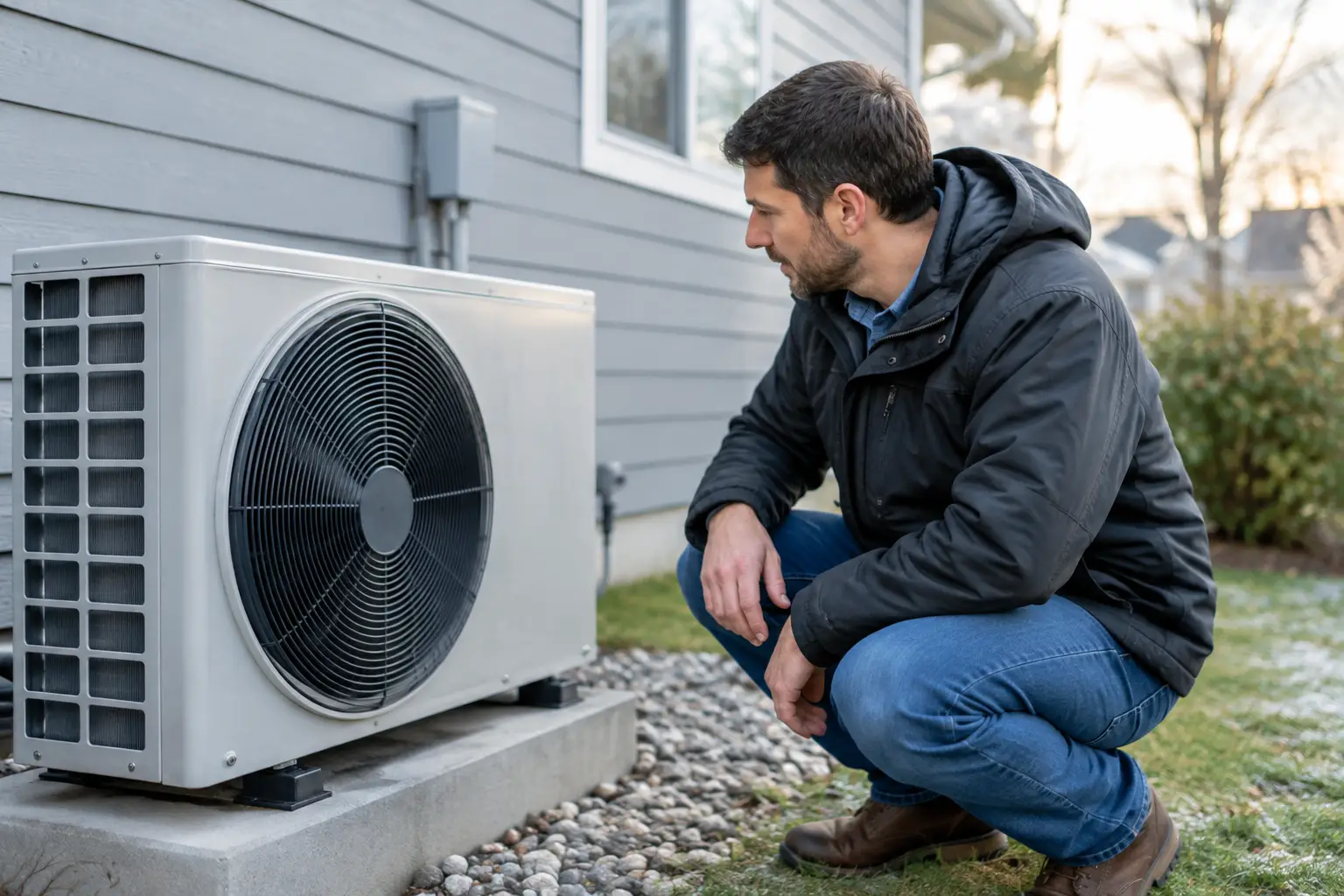
When a heat pump not heating turns your morning routine into a race for blankets, the cause may be simple – or it may be a warning that your system needs attention before the next cold snap. Central Kentucky winters can swing from damp and mild to bitterly cold quickly. A heat pump that cannot keep up does more than make a room chilly. It can affect your family’s comfort, your energy bills, and the health of the equipment.
Before assuming the system has failed, take a few safe checks. Then know when it is time to bring in a qualified HVAC technician. The right repair can often restore that toasty, snug feeling without turning a frustrating day into a major replacement project.
First, Know What Is Normal for a Heat Pump
A heat pump does not create heat the same way a gas furnace does. It moves heat from the outdoor air into your home, even when it feels cold outside. Because of that, the air coming from the vents usually feels warm, but not scorching hot. It may be around 85 to 95 degrees, compared with the hotter air a furnace produces.
That difference catches many homeowners off guard. If the house is reaching the thermostat setting and feels comfortable, slightly cooler supply air can be normal. If the thermostat is set to 70 degrees but the indoor temperature is stuck at 62, or the vents are blowing truly cool air, that is different. Your heat pump needs troubleshooting.
You may also hear the system shift into a defrost cycle during freezing, damp weather. The outdoor unit can briefly steam, and the indoor fan may pause or run differently. That cycle is normal and usually lasts only a few minutes. A unit covered in thick ice for hours is not.
Safe Checks When Your Heat Pump Is Not Heating
Start indoors. Check that the thermostat is set to HEAT, not COOL or AUTO, and raise the setting at least three to five degrees above the current room temperature. If the thermostat uses batteries, replace them. A weak battery can cause unreliable operation or a blank display.
Next, look at the fan setting. For troubleshooting, set it to AUTO rather than ON. When the fan is set to ON, it runs continuously, including between heating cycles. That can make the air from the vents feel cool and lead you to believe the heat pump is not working.
Check the air filter as well. A clogged filter restricts airflow, forcing the system to work harder while delivering less heat to your living spaces. If it looks gray, dusty, or packed with pet hair, replace it with the correct size and type. Avoid using an overly restrictive filter unless your system is designed for it.
Make sure supply vents are open and unobstructed by furniture, rugs, or curtains. Then check your electrical panel for a tripped breaker labeled for the indoor air handler, heat pump, or HVAC equipment. If a breaker has tripped once, reset it fully by moving it off and then back on. If it trips again, leave it alone and schedule service. Repeated breaker trips can point to an electrical problem that should not be handled as a DIY repair.
Finally, take a quick look at the outdoor unit. Clear away leaves, mulch, snow, and other debris, leaving open space around the equipment so it can move air properly. Do not chip at ice, pour hot water over the unit, or use a sharp tool on the coil. Those shortcuts can damage delicate coil fins and refrigerant lines.
Common Reasons a Heat Pump Stops Heating Well
A dirty filter and incorrect thermostat setting are easy fixes, but several other issues require professional diagnosis. Heat pumps are efficient, sophisticated systems. A technician needs to evaluate airflow, electrical components, refrigerant performance, and the defrost operation together instead of replacing parts based on a guess.
The auxiliary heat is not turning on
Most Central Kentucky heat pump systems have auxiliary or emergency heat, often electric heat strips inside the air handler. This backup heat helps when outdoor temperatures drop low or when the heat pump enters defrost mode. If the auxiliary heat is not operating, your home may struggle to warm up during colder weather.
A problem with heat strips, relays, wiring, or the thermostat can keep this backup source from engaging. You may see “AUX HEAT” on the thermostat while the house still feels cold. That is a clear reason to call for service.
Emergency heat is different from auxiliary heat. It is a manual thermostat setting meant for limited use if the outdoor heat pump has failed. It can keep the house warm, but it is usually more expensive to run. Do not leave a system in emergency heat for days without arranging a repair.
Ice is blocking the outdoor coil
A light coating of frost can be normal. A heat pump should periodically reverse operation to melt that frost through its defrost cycle. If the outdoor unit becomes a solid block of ice, airflow drops and the system cannot pull enough heat from the air.
The cause might be a failed defrost control board, sensor issue, malfunctioning reversing valve, poor drainage, or low refrigerant. Because each possibility calls for a different repair, professional testing matters. Continuing to run a heavily iced unit can put extra strain on the compressor.
Refrigerant is low
Refrigerant carries heat between the indoor and outdoor portions of the system. When the charge is low, the heat pump may run for long periods, provide weak heat, frost over, or fail to reach the thermostat setting.
Refrigerant does not get used up like fuel. Low refrigerant generally means there is a leak somewhere in the system. Simply adding more without finding and repairing the leak is not a lasting solution. A qualified technician can locate the issue, make the appropriate repair, and charge the system correctly.
Airflow or ductwork problems are limiting comfort
Sometimes the heat pump is producing heat, but that heat is not reaching the rooms that need it. A dirty indoor coil, failing blower motor, blocked return, disconnected duct, or leaky ductwork can reduce airflow significantly.
This is especially common when one floor is comfortable while another stays cold, or when certain rooms never warm up no matter how long the system runs. The repair may be as straightforward as correcting an airflow restriction, though older homes can also benefit from duct improvements, balancing, or a properly sized comfort solution.
A component has failed
Capacitors, contactors, sensors, control boards, reversing valves, and compressors all play a role in heating operation. Electrical and mechanical faults can look similar from the thermostat, which is why an accurate diagnosis is worth more than trial-and-error part swapping.
Warning signs include grinding or loud buzzing, a burning smell, frequent cycling, unusual clicking, or an outdoor unit that will not run while the indoor blower does. Turn the system off if you smell burning or see smoke, and arrange urgent service.
When a Repair Call Should Not Wait
A heat pump that is running but cannot maintain a safe indoor temperature deserves prompt attention, particularly for homes with young children, older adults, or anyone sensitive to cold. Do not wait if the system is blowing cold air, repeatedly tripping a breaker, making alarming noises, leaking water indoors, or building heavy ice outside.
It is also smart to call when your electric bill jumps without a clear explanation. A system relying too heavily on backup heat can use far more electricity than expected. Early repairs often protect both comfort and the equipment from further damage.
For homeowners in Greensburg, Shepherdsville, Elizabethtown, Radcliff, Campbellsville, Glasgow, Mount Washington, Fort Knox, and nearby Kentuckiana communities, Instant Aire can diagnose the problem and work toward restoring dependable heat as quickly as possible. A trained technician can tell you whether a targeted repair makes sense or whether an aging system is reaching the point where replacement will save more in the long run.
Keep the Problem From Returning
The best time to catch a heat pump issue is before the first hard cold spell. Seasonal maintenance gives a technician the chance to inspect electrical connections, clean critical components, test the defrost cycle, verify refrigerant performance, and confirm that auxiliary heat is ready when your home needs it.
Between visits, replace filters on schedule, keep the outdoor unit clear, and pay attention to changes in runtime or comfort. A heat pump should not have to run endlessly to keep your family comfortable. If it is falling behind, a quick professional check can help bring steady, reliable warmth back to every room.