
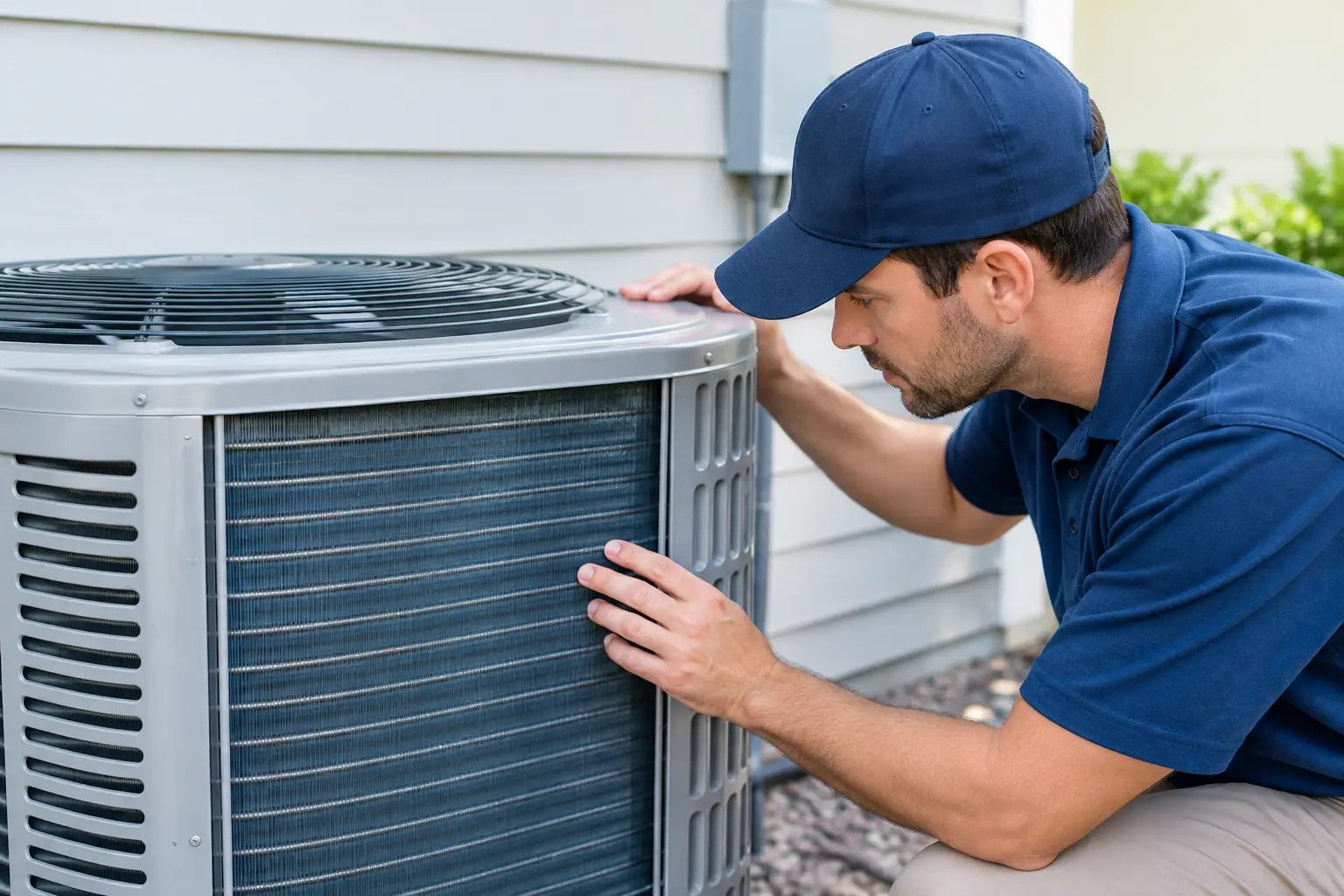
A frozen air conditioner can feel backward on a hot Central Kentucky afternoon. Your system is running, the house is getting warmer, and you may spot ice on the refrigerant line or indoor unit. To prevent frozen AC coils, focus on the two things your system needs most: steady airflow across the indoor coil and the right refrigerant charge.
Ice is not a sign that your AC is working extra hard. It is a warning that something is interfering with normal operation. Catching that warning early can help protect your comfort, avoid water damage when the ice melts, and keep a small repair from turning into a larger one.
Why AC Coils Freeze in the First Place
Your indoor evaporator coil removes heat from the air inside your home. Refrigerant moving through that coil gets very cold, while the blower pushes warm household air across it. That airflow supplies the heat the coil needs to do its job without dropping below freezing.
When airflow is restricted or refrigerant levels are too low, the coil temperature can fall below 32 degrees. Moisture in the air then freezes on the coil. The growing layer of ice blocks even more airflow, creating a cycle that can leave the whole coil frozen solid.
A frozen coil is usually a symptom, not the actual problem. Replacing a filter may solve it in some homes. In others, the source may be a dirty coil, a failing blower component, a duct issue, or a refrigerant leak that needs professional repair.
How to Prevent Frozen AC Coils Through Better Airflow
Most homeowners can do a few simple things to keep air moving properly. These habits are especially useful during long stretches of summer heat, when your system has little downtime.
Change the filter before it becomes a problem
A clogged filter is one of the most common reasons an AC coil freezes. As dust, pet hair, and household debris collect in the filter, the blower has to work harder to move air. Eventually, too little warm air reaches the evaporator coil.
Check your filter monthly during cooling season. Many standard 1-inch filters should be replaced every 30 to 90 days, but the right schedule depends on your household. Homes with pets, smokers, allergies, ongoing remodeling, or several occupants often need more frequent changes.
Do not assume the most restrictive filter is always the best choice. High-MERV filters can improve filtration, but some systems are not designed to handle a very dense filter without reducing airflow. If you want better indoor air quality, ask an HVAC technician which filter type and filtration upgrade fit your equipment.
Keep supply and return vents open
Closing vents in unused rooms may seem like a smart way to direct cooling where you want it. In many central HVAC systems, though, closing too many vents increases static pressure and reduces overall airflow. That can contribute to a frozen coil while also putting extra strain on the blower.
Keep supply registers and return grilles clear of furniture, rugs, curtains, laundry baskets, and pet beds. Return vents are particularly important because they bring air back to the system. A blocked return can affect comfort throughout the home, not just in one room.
Give the indoor unit some breathing room
Your air handler, furnace cabinet, or closet-mounted indoor unit needs clear access for service and airflow. Avoid storing boxes, paint cans, or seasonal decorations directly against the equipment. If you notice unusual dust buildup around the return grille or weak airflow from multiple vents, schedule an inspection rather than waiting for ice to appear.
Set Your Thermostat for Steady Cooling
Your thermostat will not normally cause a coil to freeze by itself, but extreme settings can expose an underlying airflow or refrigerant issue. Setting the thermostat dramatically lower will not cool the house faster. It only makes the system run longer.
For most families, a steady setting around 72 to 76 degrees offers a comfortable balance between cooling and energy use. The best temperature depends on your home, insulation, humidity level, and personal comfort. The key is avoiding large, frequent adjustments that keep the system running continuously without addressing why the house feels warm.
If your AC freezes when temperatures outdoors are mild, such as during a cool Kentucky evening, turn the cooling mode off. Air conditioners generally should not run when outdoor temperatures are too low unless the equipment is designed and controlled for that purpose. A technician can help if you need cooling for a server room, a crowded upstairs space, or another special situation.
Protect the Outdoor Unit Too
Although the indoor coil is the part that freezes, the outdoor condenser still plays an important role in removing heat from your home. Keep at least a couple of feet of open space around it so air can move freely through the coil.
Trim back grass, weeds, and shrubs, and do not stack patio furniture, toys, or yard tools against the unit. After storms, check for leaves or debris around the cabinet. You can gently rinse the exterior coil with a garden hose from the outside, but avoid pressure washers and do not bend the delicate metal fins.
If the outdoor unit is caked with dirt, has damaged fins, or makes new rattling or grinding noises, leave the deeper cleaning and diagnosis to a professional. The outdoor unit contains electrical components and refrigerant lines that deserve careful handling.
Know the Signs of a Refrigerant Problem
Low refrigerant is another major cause of frozen AC coils. Refrigerant is not fuel that gets used up under normal conditions. If the level is low, there is typically a leak somewhere in the system.
You may have a refrigerant issue if the AC runs for long periods without cooling well, some rooms feel warmer than others, the larger copper line outside is icy, or you hear hissing near the equipment. A technician should locate and repair the leak before adding refrigerant. Simply adding more refrigerant without fixing the source is a temporary answer that can lead to another breakdown.
This is not a DIY repair. Refrigerant work requires proper tools, accurate measurements, and trained handling. The same is true when a frozen coil is tied to a blower motor, capacitor, control board, or ductwork problem.
What to Do If Your AC Coil Is Already Frozen
Do not chip ice off the coil or pour hot water into the equipment. The coil fins are easy to damage, and melting ice can create a mess around electrical components.
First, switch the thermostat from Cool to Off. Then set the fan to On if your system allows it. The circulating air can help thaw the ice more safely and quickly. Place towels near the indoor unit if water may drain onto the floor, and make sure the condensate drain area is not overflowing.
Thawing can take several hours, especially if the coil is heavily iced. Once it is fully thawed, replace a dirty filter and check that vents and returns are open. If the system freezes again, blows weakly, or does not cool normally, turn it off and request service. Running a frozen system can damage the compressor, which is one of the most expensive parts of your air conditioner.
Make Maintenance Part of Your Summer Comfort Plan
The easiest way to prevent frozen AC coils is to catch airflow, drainage, electrical, and refrigerant concerns before the hottest days arrive. A professional maintenance visit includes checking the coil condition, blower performance, refrigerant operation, condensate drainage, electrical connections, and overall cooling performance.
Maintenance is not a guarantee that a component will never fail. Parts can wear out, and unexpected issues happen. But it gives your technician a chance to spot warning signs while the repair is usually simpler and less disruptive to your family.
For homeowners across Central Kentucky and Kentuckiana, Instant Aire helps restore cooling quickly when a frozen coil or weak AC interrupts the day. If your system is icing up, do not wait for the next heat wave to make the problem worse. A quick check now can help keep your home cool, dry, and comfortable when your family needs it most.